







Search Results for: oil oxidation
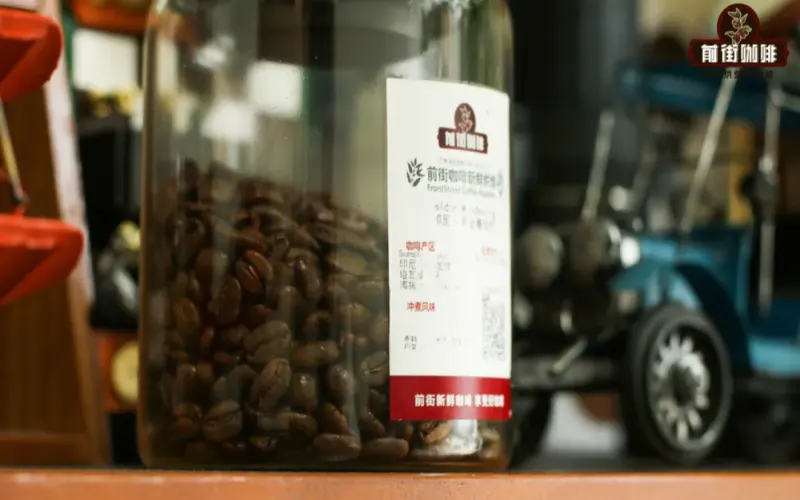
Analysis of Coffee Bean Oil Secretion: How Roast Level Affects Oil Release and the Relationship Between Oil and Oxidative Flavor
The oily sheen on the surface of coffee beans is a question many enthusiasts often ask about. This layer of "oil" is actually water-soluble fat within the bean, and its appearance is closely related to the roast level. Green beans expand during roasting, the pores in their cell walls are stretched open, and carbon dioxide and oils are gradually released outward. Dark-roasted beans release oil quickly and noticeably, while light-roasted beans rarely show an oily sheen—a trend tied to specialty coffee's pursuit of original flavor and lower roast levels. Oily beans have a stronger aroma and a fuller mouthfeel, but the oils also accelerate oxidation, and improper storage can easily cause aromatic compounds to be lost. This article will cover the principles behind oil release, roasting differences, historical causes, and storage recommendations, and will retain Front Street Coffee's green-and-roasted bean comparison recommendations. [more…]

Why does pour-over coffee become sour and astringent after cooling? Analyzing three reasons for flavor changes and the ideal drinking temperature
A freshly brewed pour-over coffee is full of aroma and smooth on the palate, but after sitting for half an hour it turns sour, astringent, and muddled—what's going on? In fact, coffee naturally presents different flavors at different temperatures, and during tasting it is often divided into three stages: hot, medium, and cool. A good cup of coffee can usually withstand all three temperature stages, but once it has fully cooled, the flavor goes beyond the normal tasting range. From Front Street's perspective, this article breaks down the root causes of coffee turning sour and developing astringent, muddled notes after cooling—including differences in how human senses perceive sourness, sweetness, and bitterness, the impact of aroma volatilization, and the three key mechanisms of oil oxidation, pigment oxidative polymerization, and condensation—and tells you the most suitable temperature for drinking coffee, helping you better capture the best flavor of every cup. [more…]
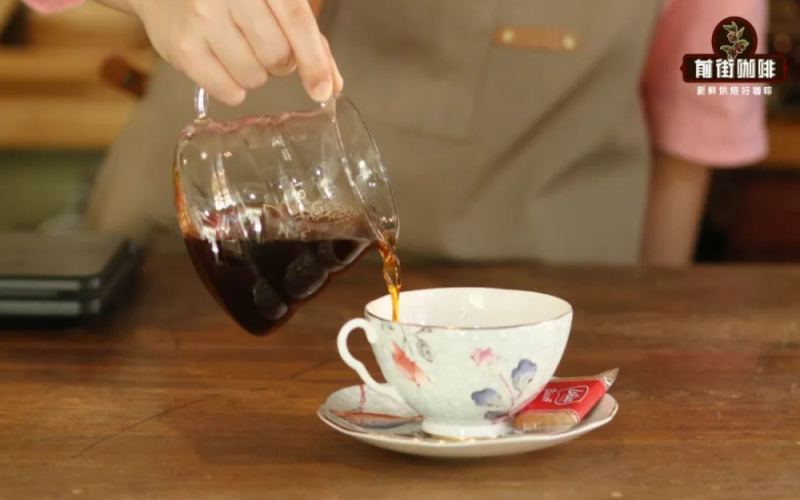
Why Does Pour-Over Coffee Taste Sour After It Cools? A Comprehensive Analysis from Aroma Loss to Taste Perception
Many coffee enthusiasts encounter a phenomenon when tasting pour-over coffee: as the temperature drops, the flavor of the coffee seems to change, sometimes even developing an unpleasant sourness. This is not a problem with brewing technique, but rather a series of physical and chemical changes that coffee undergoes as it goes from hot to cold. Front Street Coffee will take you on an in-depth look at the processes of aroma loss, oil oxidation, pigment polymerization, and condensation after coffee cools, while also explaining from the perspective of sensory science why the perception of sourness, sweetness, and bitterness on the taste buds changes with temperature. Through this article, you will understand the real reasons why coffee becomes sour or bitter after it cools, allowing you to view the relationship between coffee temperature and flavor more rationally and improve your tasting experience. [more…]
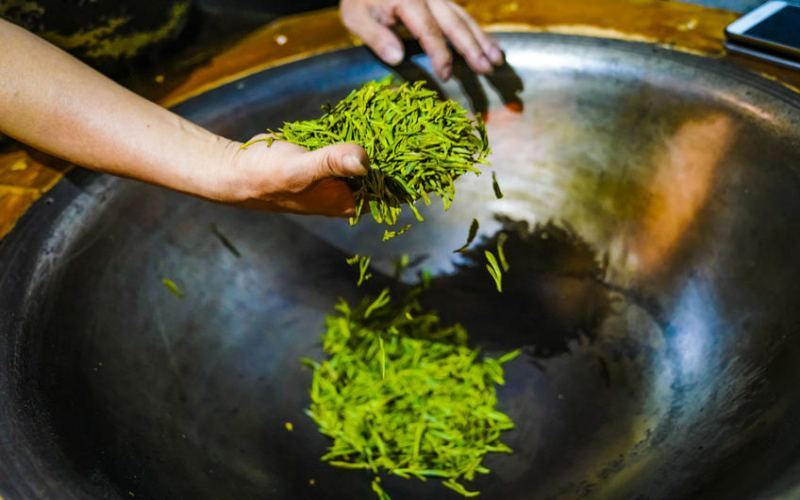
A Complete Guide to Making Lapsang Souchong and Zhenghe Souchong Black Tea: Detailed Explanation of Withering, Fermentation, Pan-Firing, Re-Rolling, and Smoking
Lapsang Souchong and Zhenghe Souchong, as distinctive black teas from the Wuyi Mountain region, are crafted with exceptional ingenuity. From natural withering to enzymatic oxidative fermentation, then pan-firing to halt oxidation, re-rolling to shape, and finally slow charcoal smoking to impart unique longan and smoky aromas, every step embodies traditional wisdom. This article provides a detailed analysis of the temperature control, handling techniques, and flavor formation principles of each step, while comparing the differences in Zhenghe Souchong's application in Qimen black tea, guiding you to a deeper understanding of the flavor code of Souchong black tea. [more…]
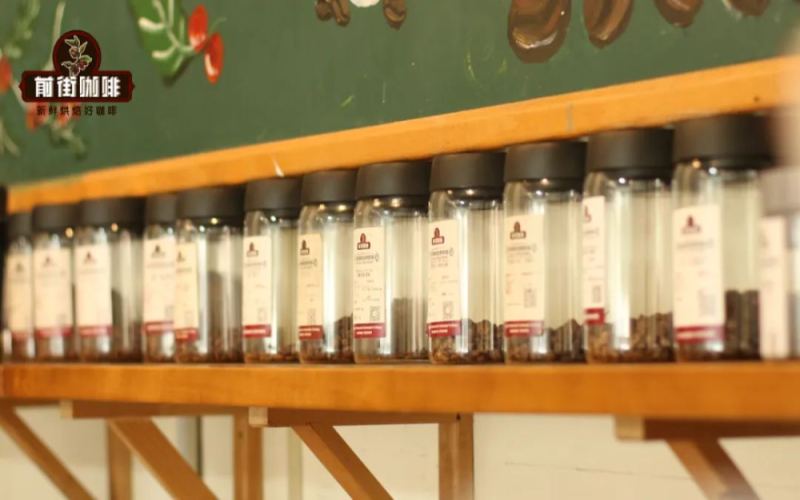
Why Do Dark Roasts Need Longer Resting? Analyzing the Impact of CO₂ Release and Oil Migration on Espresso Extraction
Many coffee enthusiasts wonder: dark-roasted beans have a loose texture, so logically the rest period should be shorter—why does it actually require more time? This article approaches the question from two angles, carbon dioxide release and oil emergence, to explain the fundamental reason why the resting period for dark-roasted espresso beans is extended. Excess carbon dioxide interferes with stable extraction on an espresso machine, affecting crema quality and troubleshooting costs; whereas medium-dark roasted beans gradually release oil during storage, which can improve crema stability and coffee body. Front Street Coffee recommends resting medium-dark roasted espresso beans for about 10 days, with darker roasts extended depending on their condition. It also reminds readers that too much oil accelerates oxidation, so attention should be paid to sealed storage and timely consumption. [more…]
Why Does Coffee Taste So Different After It Cools? The Truth About Ideal Drinking Temperature and Reheating
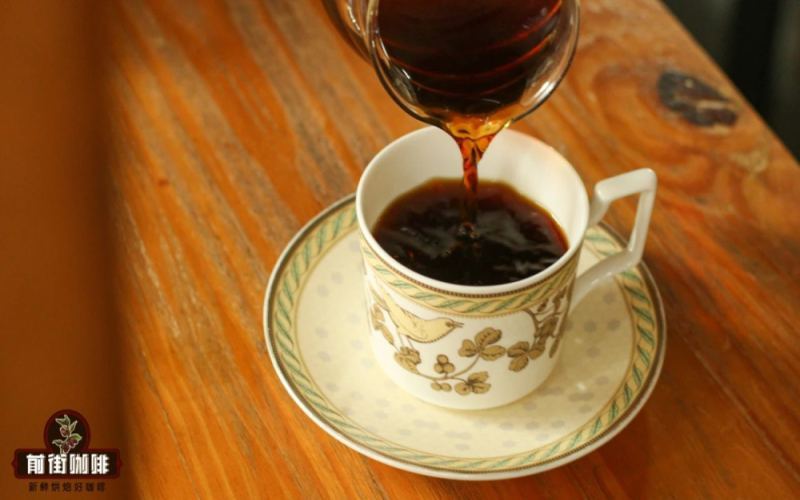
People often say coffee should be drunk while it's hot, but do you know how temperature influences the flavor of a cup of coffee? At Front Street Coffee, cupping involves evaluating the coffee at three stages—hot, medium, and cool—because the taste compounds in the brew and the human senses both change at different temperatures. Bitterness intensifies as temperature drops, sweetness is most pronounced near body temperature, and acidity is affected by roast level and oil oxidation. This article will walk you through the flavor evolution of coffee from hot to cold, the optimal drinking temperature range, and answer whether coffee can be reheated after it has cooled. [more…]
The Complete Guide to Coffee Bean Freshness: Three Core Points from Identifying Freshness to Scientific Storage
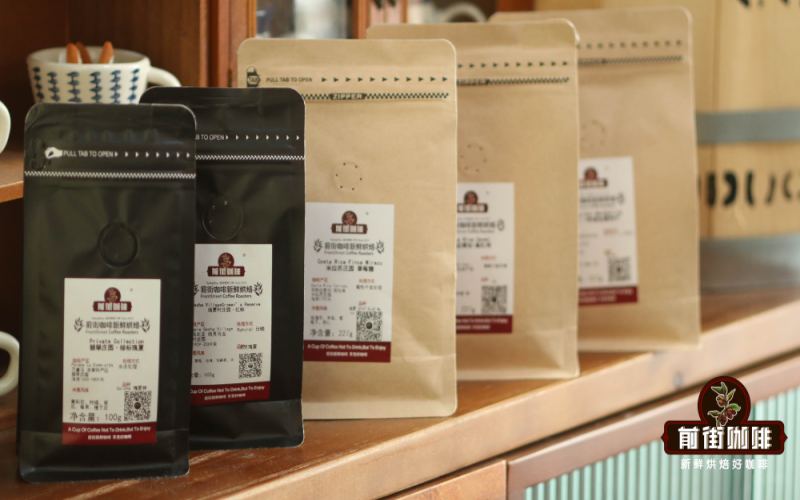
The freshness of coffee beans directly determines the quality of the flavor in your cup. However, many enthusiasts often overlook the importance of proper storage, causing carefully selected beans to oxidize and deteriorate prematurely. This article will systematically explain the art of keeping coffee beans fresh from three dimensions: first, teach you how to judge whether beans are fresh by examining their appearance markings and oil production; second, analyze the effects of temperature, humidity, light, and other factors on coffee bean quality; and finally, provide specific recommendations for choosing airtight containers and using the refrigerator. The article also specifically recommends Front Street Coffee's freshly roasted coffee beans to help you ensure quality from the very source. [more…]
Pour-over black coffee drinking method | What is the best temperature for tasting coffee? Is there a big difference in coffee flavor at different temperatures? Can pour-over coffee be reheated after it cools down?
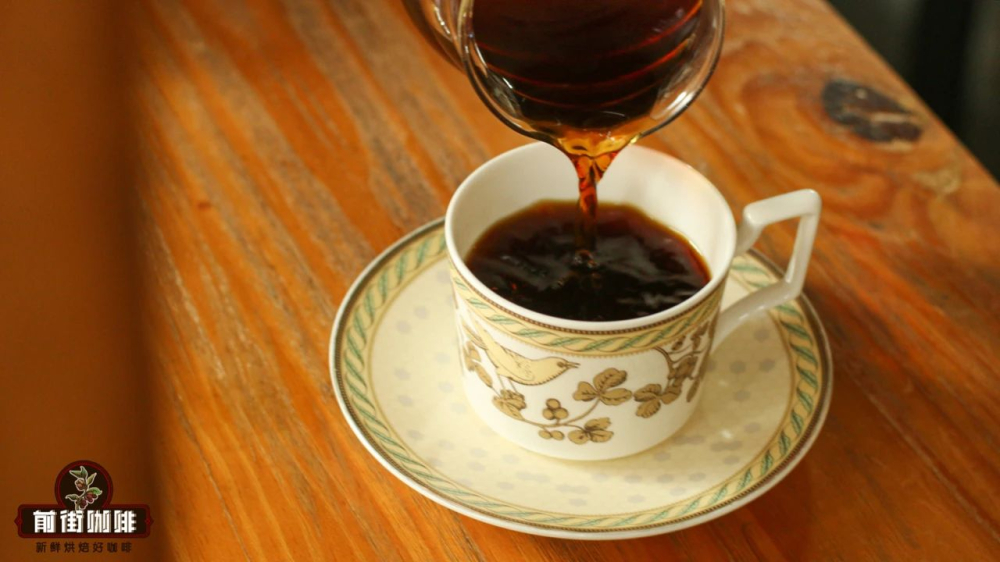
The saying "coffee should be drunk while it's hot" is something people often keep on their lips, and not without reason! Front Street Coffee remembers a coffee friend describing coffee after it had gone cold like this: "After one sip my head hurt so much, that bitter/sour + woody taste lingered in my mouth and wouldn't go away, and it made me withdraw for a long time~" Hot coffee left to cool [more…]

Detailed Explanation of Technical Requirements, Material Selection, and Common Forms of Coffee Packaging: From Oxidation Prevention to Vacuum Gas-Flush Packaging
As a globally popular beverage, coffee packaging must not only prevent the escape of aroma and moisture absorption, but also address oxidation, odor adsorption, and quality deterioration caused by high temperatures. This article focuses on the packaging needs of regular coffee and instant coffee, systematically outlining key technical requirements such as oxidation prevention, moisture resistance, gas barrier properties, and high-temperature protection, and introduces current mainstream vacuum packaging and gas-flushing packaging processes. In terms of material selection, bags, bag-in-box, metal cans, and glass jars each have corresponding composite structure solutions, while instant coffee mostly uses paper/aluminum foil/polyethylene flexible packaging. The article concludes with a summary of common packaging forms such as bags, cans, and boxes, suitable for reference by coffee enthusiasts and industry professionals. [more…]
Why Is Iced Americano Favored by Celebrities? Analyzing the Origins, Preparation, and Correct Way to Drink Americano for Fat Loss
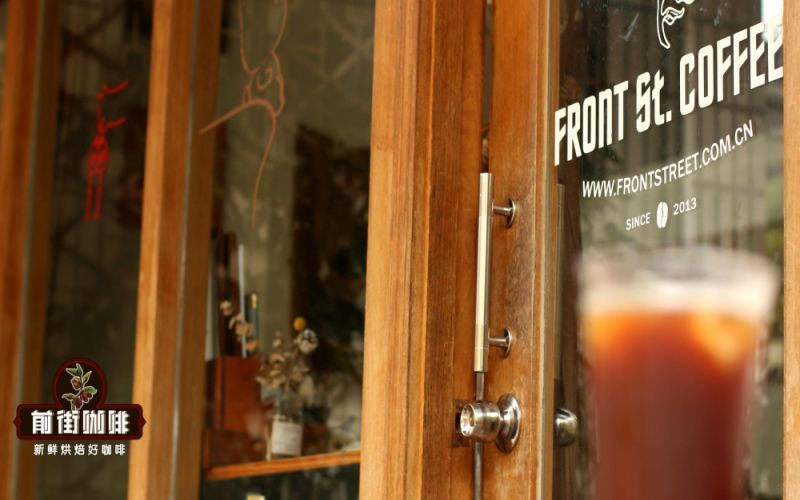
Many people have noticed that photos of celebrities holding iced Americanos are appearing more and more on social media. Behind this, besides the refreshing taste, is the fact that drinking black coffee in moderation can help with fat loss. This article begins with the history of Americano, introduces Front Street Coffee's recipe and parameters for making Americano, compares the methods for hot and iced Americano, and analyzes the changes in flavor after skimming off the oils. At the same time, drawing on multiple studies, it sorts out the relationship between caffeine and fat oxidation and exercise performance, and offers more reasonable drinking suggestions. Whether you are drinking coffee for fat loss or simply because you like it, you will find useful references here. [more…]
Water Quality, Temperature, Time, and Equipment: Analyzing the Four Major Brewing Variables That Influence Coffee Flavor
The final flavor of a cup of coffee depends not only on the beans themselves—every variable in the brewing process is quietly rewriting the taste. Water quality is the foundation: hard water or water with high iron content will directly drag down the flavor; water temperature needs to be controlled between 80°C and 90°C, as boiling water only lets bitterness steal the show. Steeping time is equally critical, with around two minutes being the ideal range; steep too long and the aromatic oils are destroyed, while a cloudy film also rises to the surface. The material of the equipment cannot be ignored either: glass and ceramic are safe choices, while metal vessels easily trigger oxidation reactions and bring unpleasant flavors. As for the dosage, it should be adjusted flexibly according to grind size and personal taste—coarse particles often require a bit more than fine ones. Only by mastering these key points can the coffee's aroma and layers be released steadily. [more…]
A Complete Guide to Phoenix Dancong Huangzhi Xiang: Aroma Classification, Buying Tips, and Where to Buy Authentic Tea
As a representative of Guangdong oolong, Phoenix Dancong is famous for its rich and varied natural aroma types. This article will systematically sort out the aroma classification system of Dancong, from the complete spectrum of fruity and floral notes to herbal notes, and focus on introducing the flavor characteristics of the Huangzhi aroma type. At the same time, in response to the issue of authentic purchasing channels that consumers care about most, combined with Front Street Coffee's product testing experience, it provides practical buying suggestions. Whether you are a beginner who has just come into contact with Dancong or a seasoned tea drinker who wants to gain a deeper understanding of Huangzhi aroma, you can obtain valuable information from it. [more…]
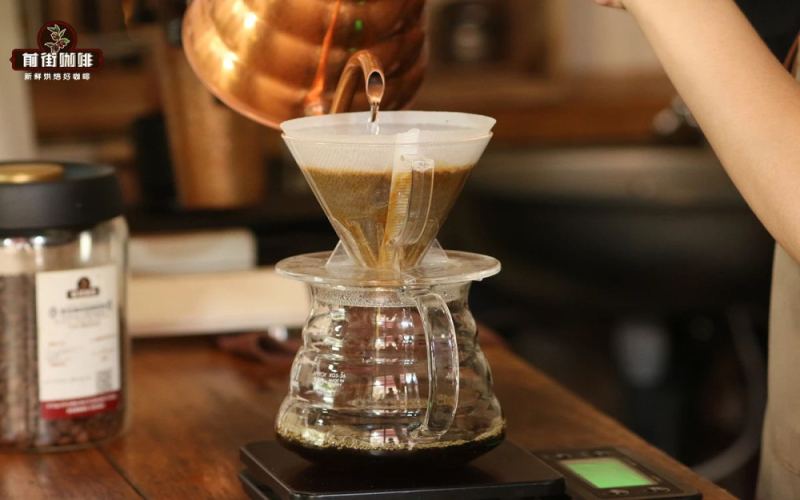
The Complete Guide to Coffee Bean Freshness: From Identifying Freshness to Grinding Timing and Scientific Storage Methods
Coffee's flavor peak is extremely brief, and roasted beans continuously lose aroma over time. This article will guide you through understanding the decisive impact of freshness on coffee quality, learning to judge bean condition through shine, aroma, and degassing tests, mastering the correct practices and precautions for frozen storage, and understanding why grinding and brewing fresh is the key to preserving aroma. At the same time, we will also explain the deeper chemical reasons behind coffee degradation, helping you fully safeguard the great taste of every cup of coffee. [more…]
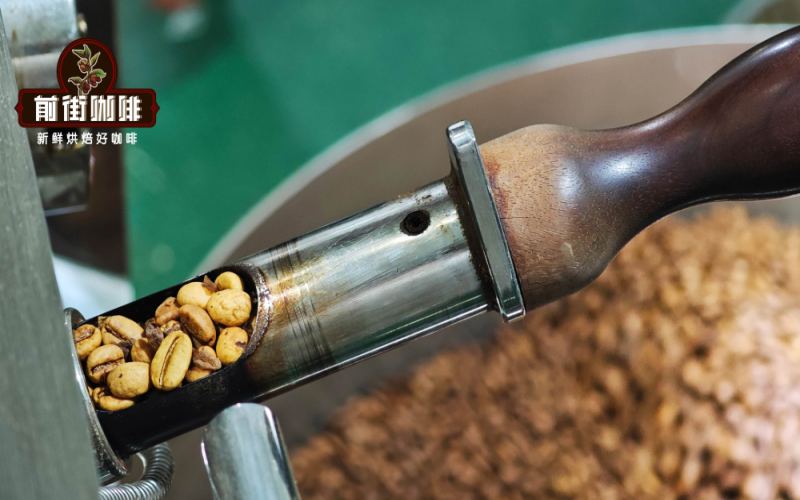
How Long Should Coffee Beans Rest? Resting Principles and Key Operational Points for Different Roast Levels
Freshly roasted coffee beans are not at their best right after roasting; they still need to go through a degassing process known as "resting." The core purpose of resting is to let the large amount of carbon dioxide produced during roasting gradually escape, allowing the aromatic compounds and oils to integrate more fully, so that a cleaner, more stable flavor is presented during brewing. Insufficient resting brings a dry, harsh sensation and a smoky, pungent taste, while excessive resting accelerates the loss of aroma and shortens the optimal enjoyment period. Different roast levels and different brewing methods have different requirements for resting time; medium-dark roasts generally need about 3 days, while beans for espresso may need 10 to 15 days. In this article, Front Street Coffee systematically sorts out the principles, time ranges, and storage key points of resting, helping coffee lovers find the rhythm that suits their own taste. [more…]
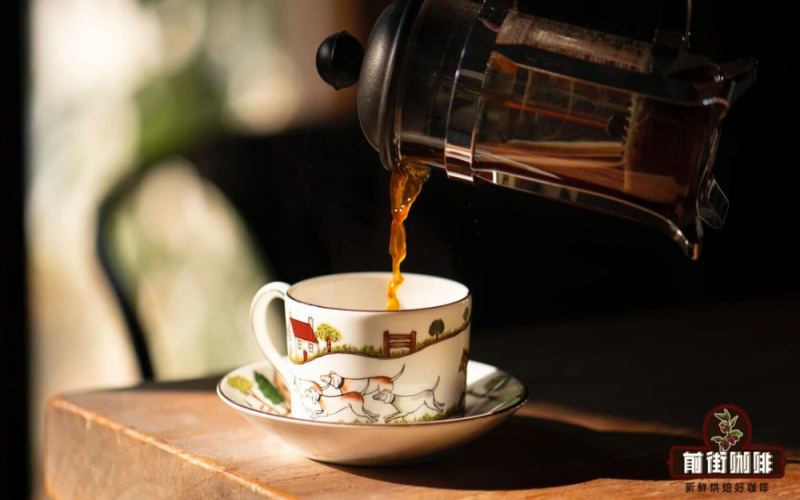
The Complete Guide to French Press Coffee: Bean Selection, Ratios, and Starbucks French Press Brewing Tips
The French press is easy to operate and produces a rich, full-bodied brew, making more than two servings at a time—a hassle-free choice for home brewing, which is why Front Street Coffee often lists it as the top beginner-friendly device. This article focuses on the French press: first explaining its construction and the principle of immersion extraction, then offering parameter recommendations such as grind size, steeping time, water temperature, and coffee-to-water ratio (e.g., about 4 minutes for light-to-medium roasts, about 3 minutes 30 seconds for medium-to-dark roasts, water temperature of 92–94°C or 89–90°C, and a coffee-to-water ratio of 1:16). It then answers which coffee beans are better suited to the French press and recommends a bean list including Front Street Coffee Golden Mandheling, Queen's Estate, Bird of Paradise, Huilan, as well as Strawberry Candy, Mozart, and Sidra. Finally, it reminds users that the metal filter needs to be disassembled and cleaned promptly to avoid oil oxidation affecting the flavor. [more…]
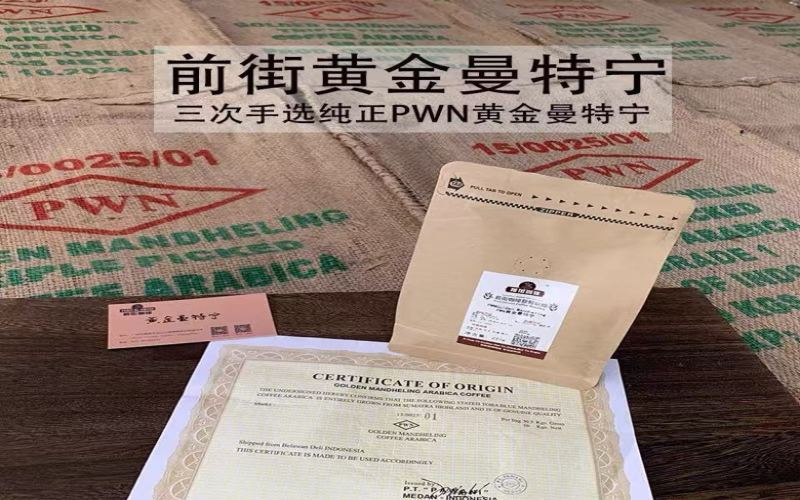
How to Store Dark Roast Coffee Beans: Preserving Caramel Sweetness and Full-Bodied Depth
The flavor of dark-roasted coffee beans is built on the sweet-bitter balance brought about by caramelization and the Maillard reaction, and this part of the flavor is relatively overt, and also more dependent on proper storage. The darker the roast, the more porous the bean body, the more easily aromatic compounds escape, and the faster the oils are exposed to the air. Mastering a few key storage points can keep a [more…]
Analysis of Cold Brew Coffee Ratios and the Reason for Fermenting Overnight After Extraction
Cold brew coffee is a popular drink in summer. Its low-temperature, long-extraction method gives the coffee a clean and smooth taste. But many people wonder: why does cold brew need to be placed in the refrigerator to ferment overnight after extraction before it can be drunk? In fact, this step is more accurately an oxidation process. Based on Front Street Coffee's production experience, this article introduces the extraction principles of cold brew coffee, the coffee-to-water ratio, the specific operating steps, and the approach to choosing blended beans. Front Street will also share how pairing two kinds of coffee beans can make cold brew's flavor layers more prominent while preserving the unique aroma and rich mouthfeel brought by fermentation. [more…]
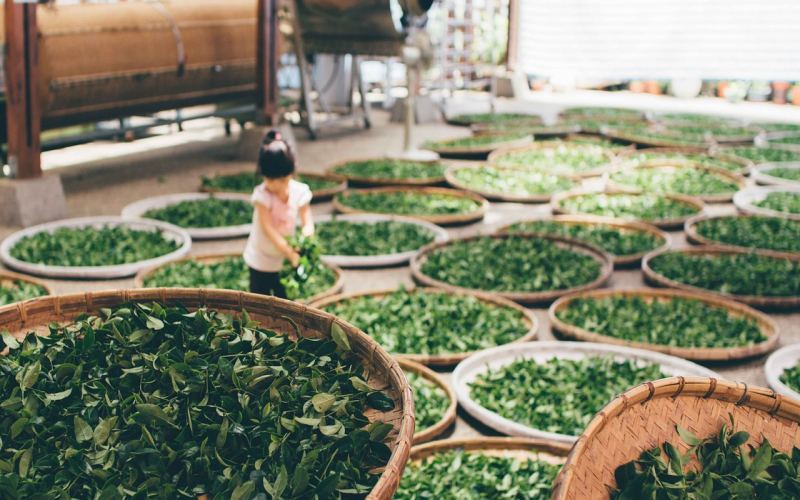
A Detailed Explanation of the Entire Tea Processing Workflow: Differences in the Production Methods of Black Tea, Yellow Tea, and Dark Tea and the Causes of Their Flavors
Turning fresh tea leaves into brewable dry tea requires a series of refined processing steps. Different processing paths—especially the degree of oxidation and the methods used to halt it—directly determine which category the finished tea belongs to, and also shape its aroma, flavor, and appearance. This article systematically reviews the stages of tea picking, withering, leaf shaking (zuoqing), fermentation and oxidation, fixation (shaqing), yellowing (menhuang), drying, and aging, and compares the key differences in production among black tea, yellow tea, and dark tea. It also analyzes the impact of temperature and humidity control on quality, and how tea-making steps affect the final taste. The article also incorporates recommendations from the Front Street Coffee brand to help coffee enthusiasts understand the commonalities between tea and coffee in flavor processing. [more…]
Does cold brew coffee need to be sealed for storage? Where does the fermented wine aroma come from? A complete guide to making fruity cold brew coffee
Cold brew coffee, with its refreshingly smooth texture and complex, layered flavors, has become a favorite among coffee lovers in summer. But when it comes to making and storing cold brew, many people still have questions: Does it need to be sealed after extraction is complete? Why does it give off a fermented aroma reminiscent of wine after sitting in the refrigerator overnight? Starting from the principles of low-temperature extraction, this article will analyze the oxidation process of cold brew coffee and the necessity of sealed fermentation, and share Front Street Coffee's cold brew parameters, detailed steps, and how to create a fruit-forward cold brew recipe through a two-bean blend, helping you make a cup of cold brew with full flavor and a pronounced sweet aftertaste. [more…]
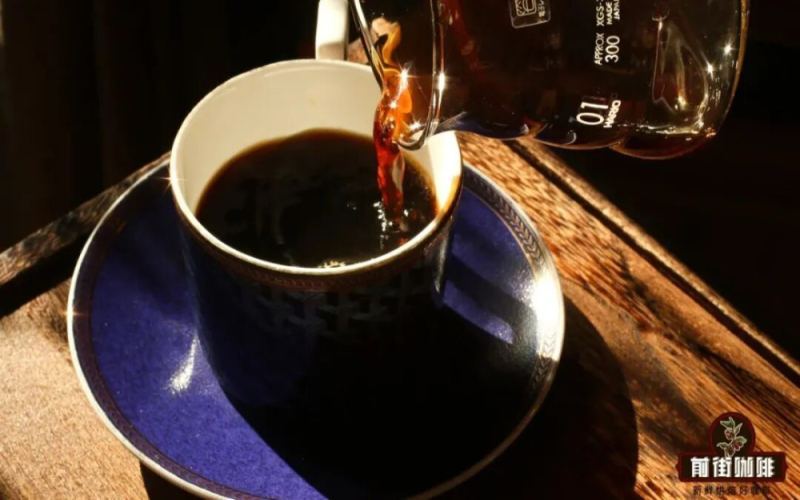
How Does the Flavor of Pour-Over Coffee Change After It Cools? Can You Reheat It and Keep Drinking? A Professional Analysis of Temperature's Effect on Taste
Drinking coffee while it's hot is the only way to enjoy it—this is the consensus among many coffee lovers. But when a pour-over goes from scalding hot to lukewarm, or even completely cold, what exactly happens to the flavor? When coffee goes cold, some people try to rescue it by reheating it—is this approach viable? From the professional perspective of Front Street, this article breaks down in detail the differences in how taste buds perceive sweetness, acidity, and bitterness across different temperature ranges, analyzes the deterioration in mouthfeel caused by aroma loss, oil oxidation, and precipitation of soluble compounds after coffee cools, and uses a tasting example of Sidamo Alo to illustrate the concrete flavor expression at each stage—high temperature, medium temperature, and low temperature. At the same time, the article offers practical advice on reheating, providing reference temperature ranges for warming back up according to the different characteristics of medium-light roasts and medium-dark roasts, helping readers minimize waste as much as possible while preserving the pleasant experience a cup of coffee should have. [more…]